
One doesn’t have to spend that much time scanning the Internet before coming upon a story about the looming teaching shortage crisis in this country.
Low pay, burnout from long hours, dealing with stiffening bureaucracy are almost always listed as the main reasons, but there is one that is affecting teachers as well.
The lack of affordable housing.
Many teachers are priced out of the neighborhoods where they serve, contributing to retention challenges and adding stress (commutes, housing insecurity) on early-career teachers.
Some places are responding by developing “education workforce housing,” which is affordable or subsidized housing built for teachers and school staff, often on school-district land or in partnership with housing developers.
Key features of these initiatives include: leveraging publicly-owned or under-used land (often by school districts), deploying new financing tools (e.g., certificates of participation), offering reduced rents or purchase opportunities for teachers, and aiming to anchor teachers in the community (reducing commutes, strengthening community-school ties).
While still nascent (fewer than 100 such projects nationwide by some estimates) these efforts show promise in helping retention and embedding educators in their service areas.
In short: to keep a stable, engaged teaching workforce, communities must address housing affordability and proximity for educators, not just pay and working conditions.
Why this matters for South Carolina
For leaders in South Carolina (state policymakers, school district superintendents, municipal/regional housing and economic development officials), these insights offer a strategic lens:
- Teacher shortages and turnover are costly and disruptive. Having educators live near their schools strengthens community relationships, boosts morale, and lowers attrition.
- Housing affordability is increasingly a barrier even in non‐coastal or smaller markets; “teacher housing” programs signal a structural approach rather than a one-off bonus or stipend.
- By aligning school workforce retention with housing policy, South Carolina can gain a competitive advantage: making sure our educators can truly afford to live where they work helps both local schools and local economies.
- This approach dovetails with broader goals: workforce development, neighborhood revitalization, community stability, and educational equity (when teachers live locally, they are more likely to connect with students’ lived experiences).
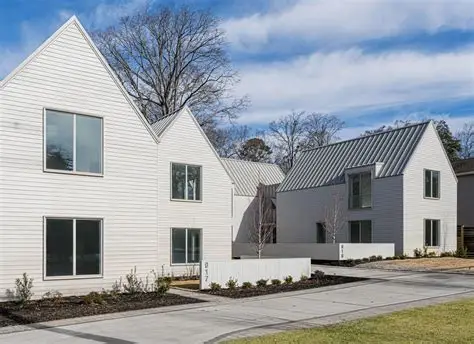
One way that the Greenville Housing Fund is helping to create solutions is through projects such as the Rutherford House, which meets the growing demand for housing that is flexible, efficient, affordable, and communal, offering a thoughtful alternative to traditional rentals and retrofitted single-family homes.
Each of the purpose-built residences features six private bedroom suites, each with its own bathroom, within a spacious layout that intentionally fosters both privacy and connection. A central stairwell links private suites to communal spaces, giving residents the choice to unwind in solitude or connect with housemates in thoughtfully designed shared areas.
We are working with Legacy Charter school and Greenville County schools to offer this housing resource to their staff.